Frankie
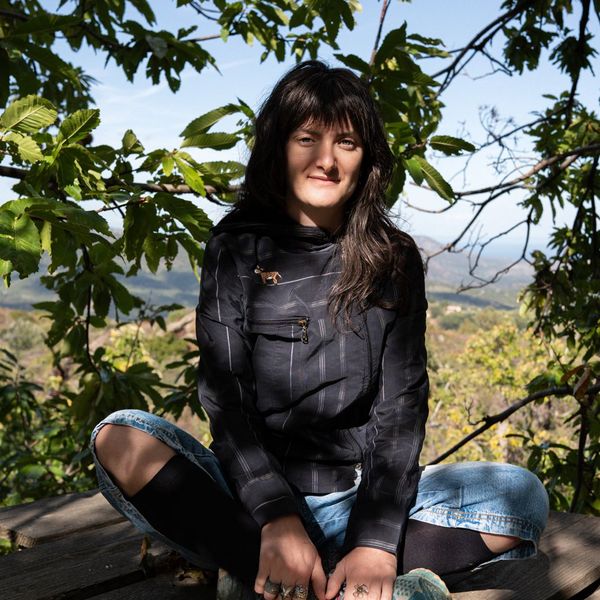
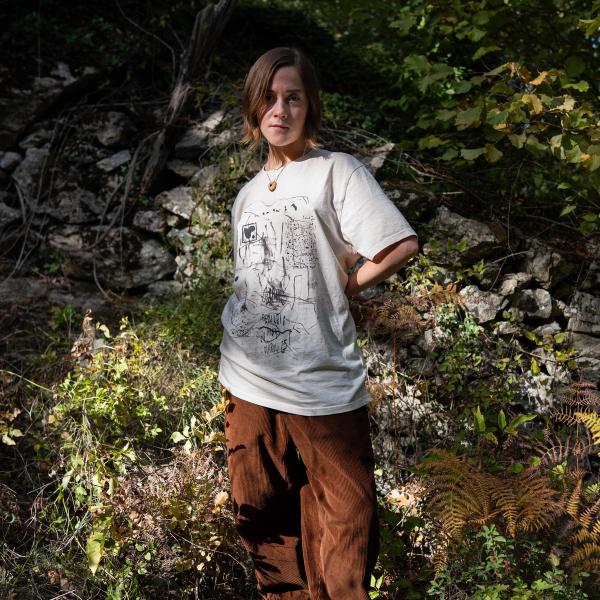
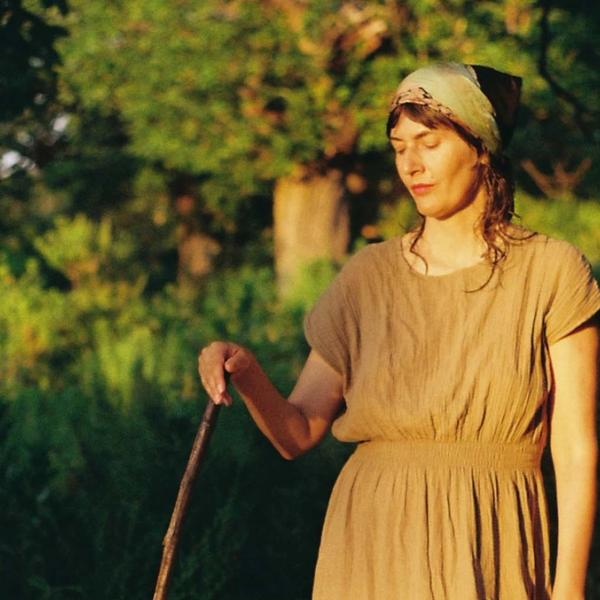
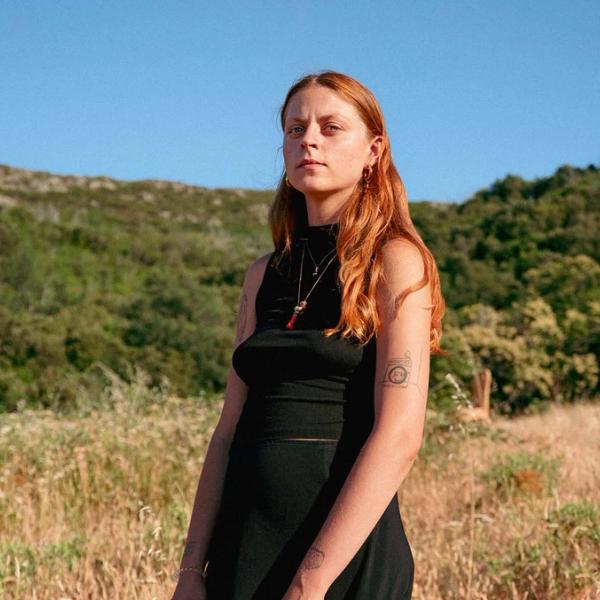
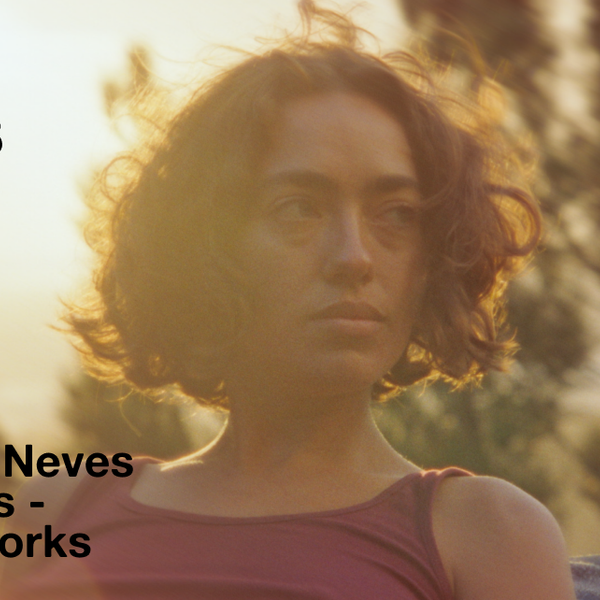
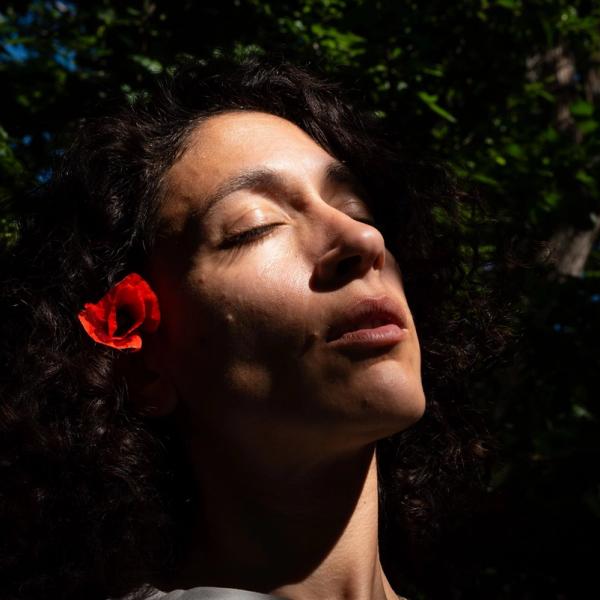
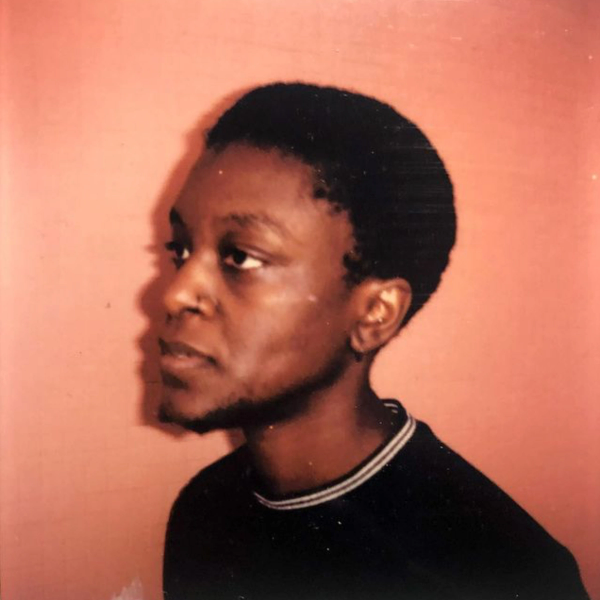
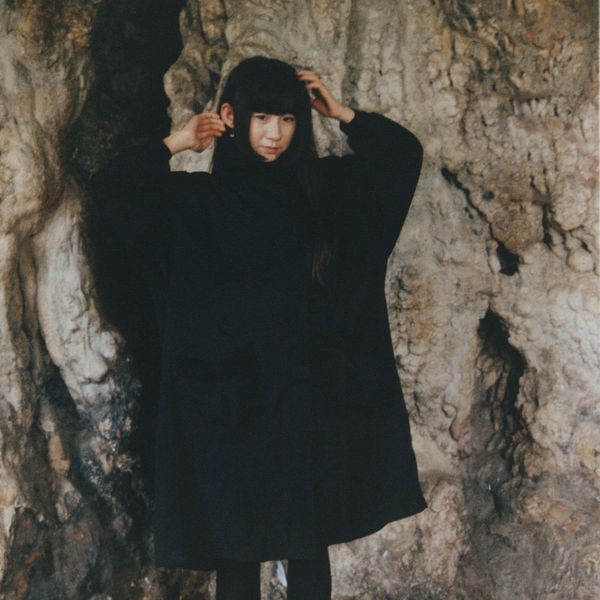
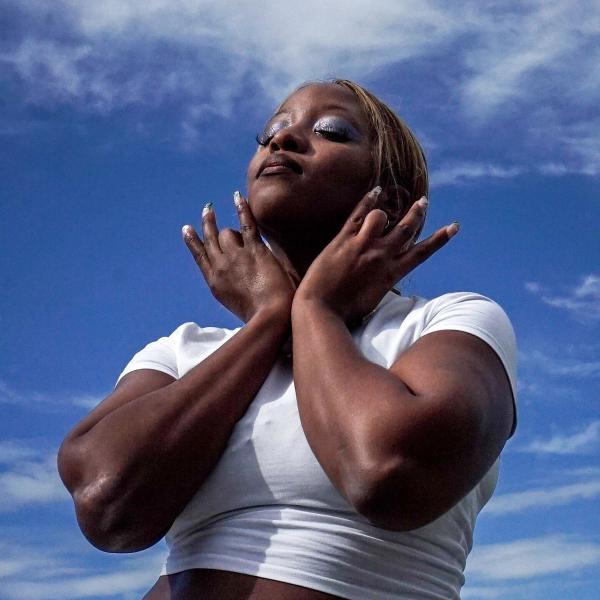
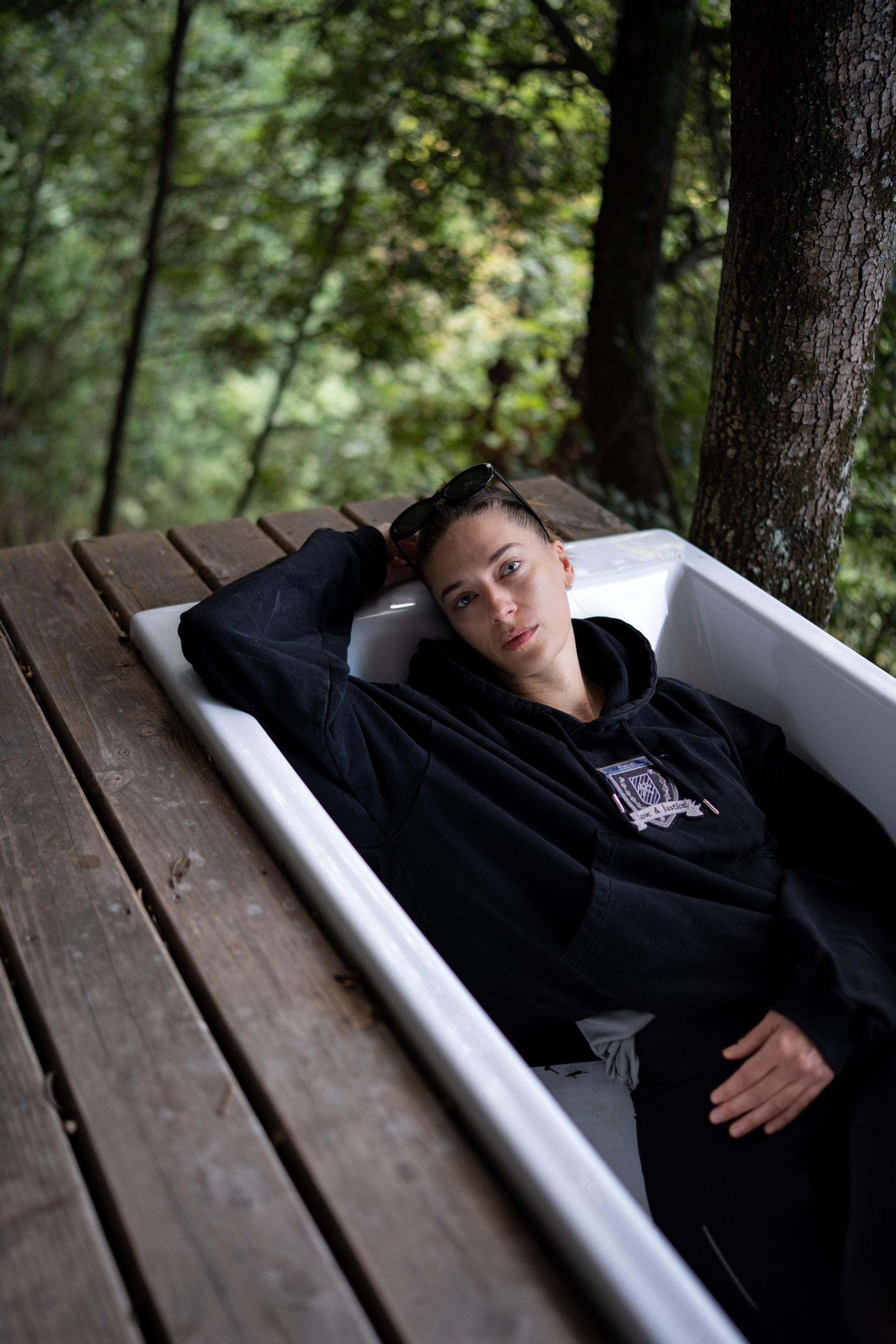
In her musical practice, Frankie (Franziska Aigner) works with antagonisms and the tension that arises from their juxtaposition. Her musical language draws on traditional Baroque structures born of oppressive times and systems of power, and confronts them with post-club music and digital production. After numerous artistic collaborations, notably with Kelman Duran, Anne Imhof, William Forsythe and Holly Herndon, she is now focusing on composing a solo piece that celebrates romance, intimacy and desire amid the permanent threat and the muffled instability of the world.
My Stay at Providenza
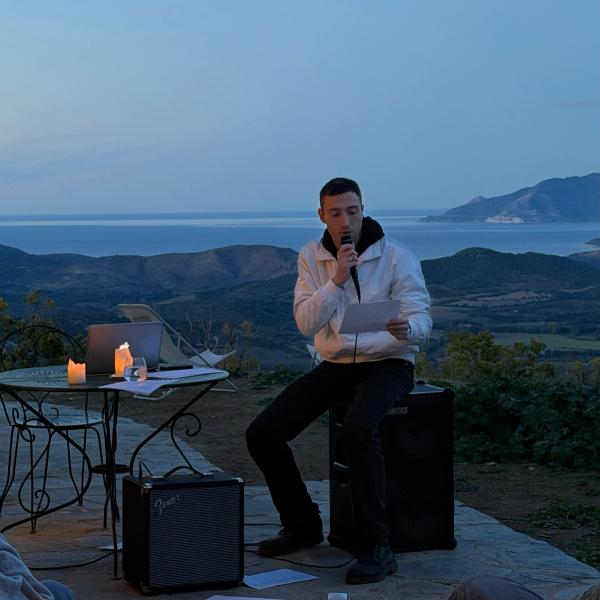
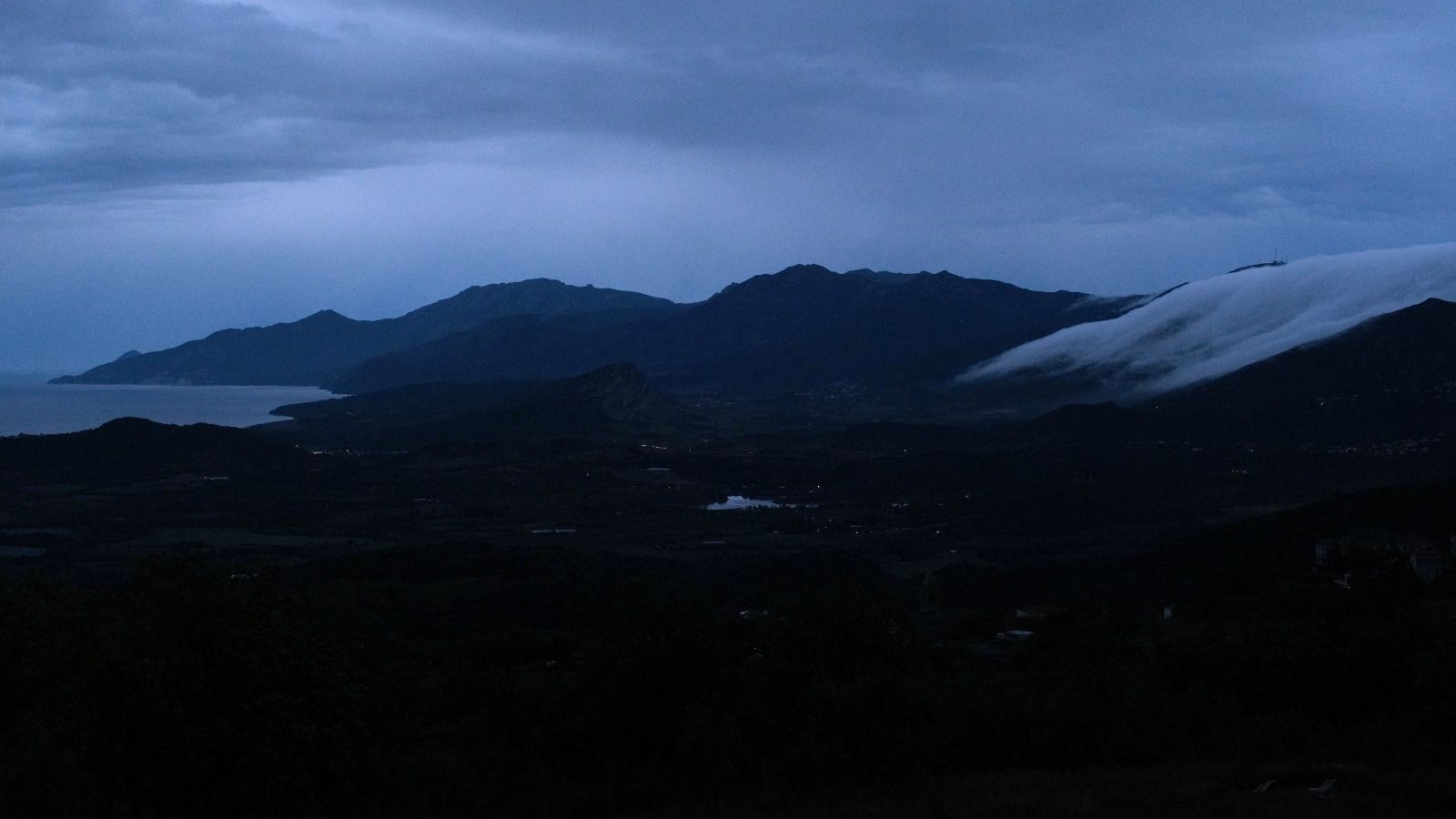
I arrived at Providenza at the new moon and left when it was full again. In the meantime, I composed, recorded and listened to music, preparing works intended for occasions still far off. The material at the heart of my work was born of learning music, of its promises as well as its terrors, which occupied most of my days.
What does it mean to live at Providenza? The mountain, perhaps, offers a kind of answer. Providenza sits on a slope, and a slope has a direction. It draws you along, downward in this case, always downward. There is a logic to this landscape, even when the path is steep and the destination hidden. I caught myself moving through its terrain, sometimes humming along with the sounds of the place, as if the mountain, the trees and the water had a song of their own. This too is a form of providence: the protective care of repetition, the art of moving with a place and its rhythms.
I remember wondering, more than once, what more-than-human effort it takes to bring providence about in this less-than-perfect world, where no one, not even a god, is responsible for what happens. Care for the future has, for the most part, been the work of gods and angels. Perhaps the belief that someone watches over us is inseparable from the fear of being otherwise nothing, alone in an indifferent universe; and if we cannot be consoled, perhaps it is better to be threatened than to be entirely invisible. Could this be an explanation for the gods' readiness to anger? Without the gods, the care of the future returns to earth, into the hands and bodies of those who happen to be there. Bodies that care for other bodies, the living taking responsibility for the living, making provisions and preparing a future for people they will never meet, in an unruly world that was not made for us, but that we can nonetheless make for one another.
Listening again to my recordings of providence, I thought about the way a work can exceed the circumstances of its making, the way it can go on meaning something to someone, somewhere, in a future I cannot see and may not be part of; about the providence contained in the act of making things, and about my joy that there is always providence.